
Qannoubine valley – St Marina’s Grotto

St. Marina the Monk, Wadi Qannoubine, Lebanon

Other Details

مغارة القدّيسة مارينا

Ouadi Qannoubine

Bcharre

North

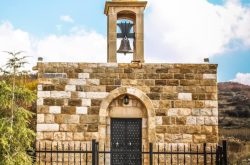
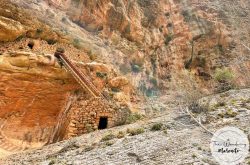
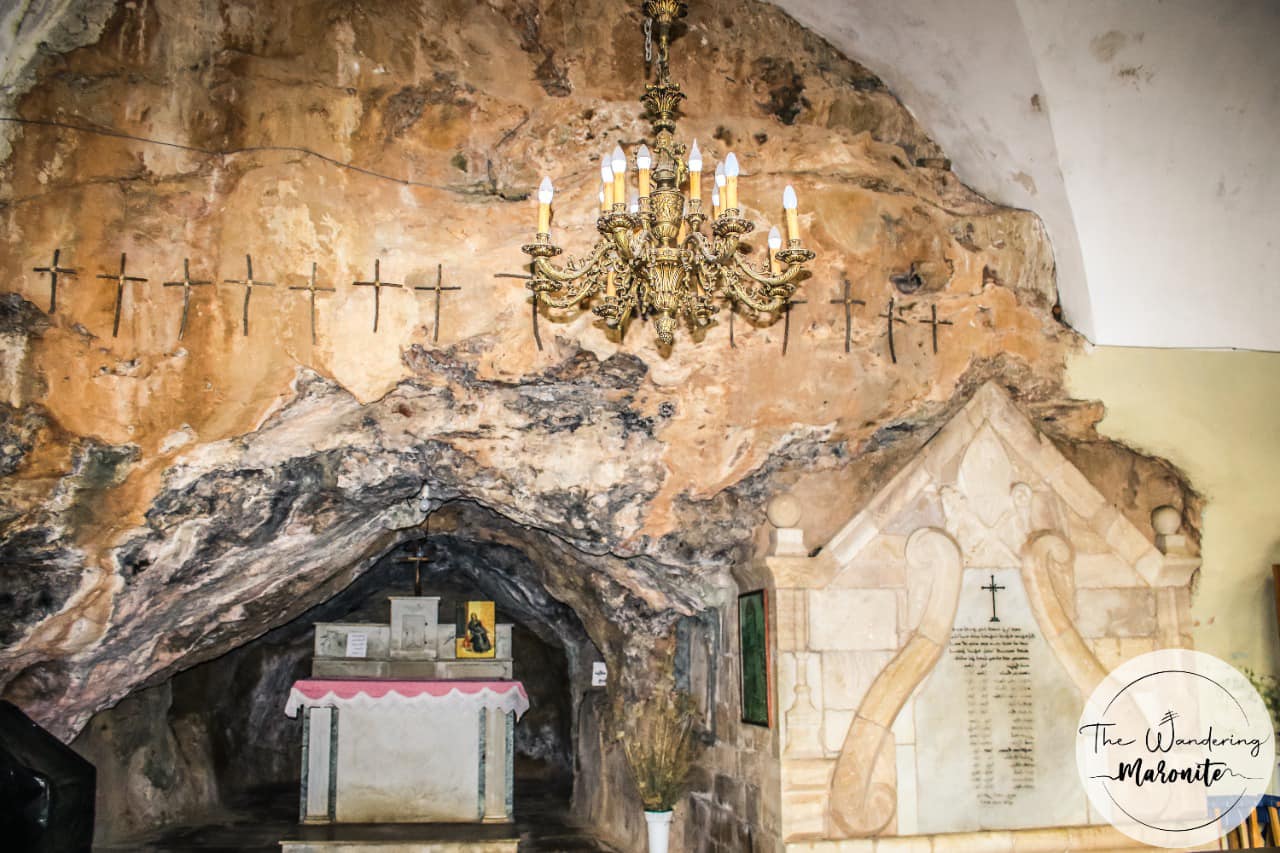
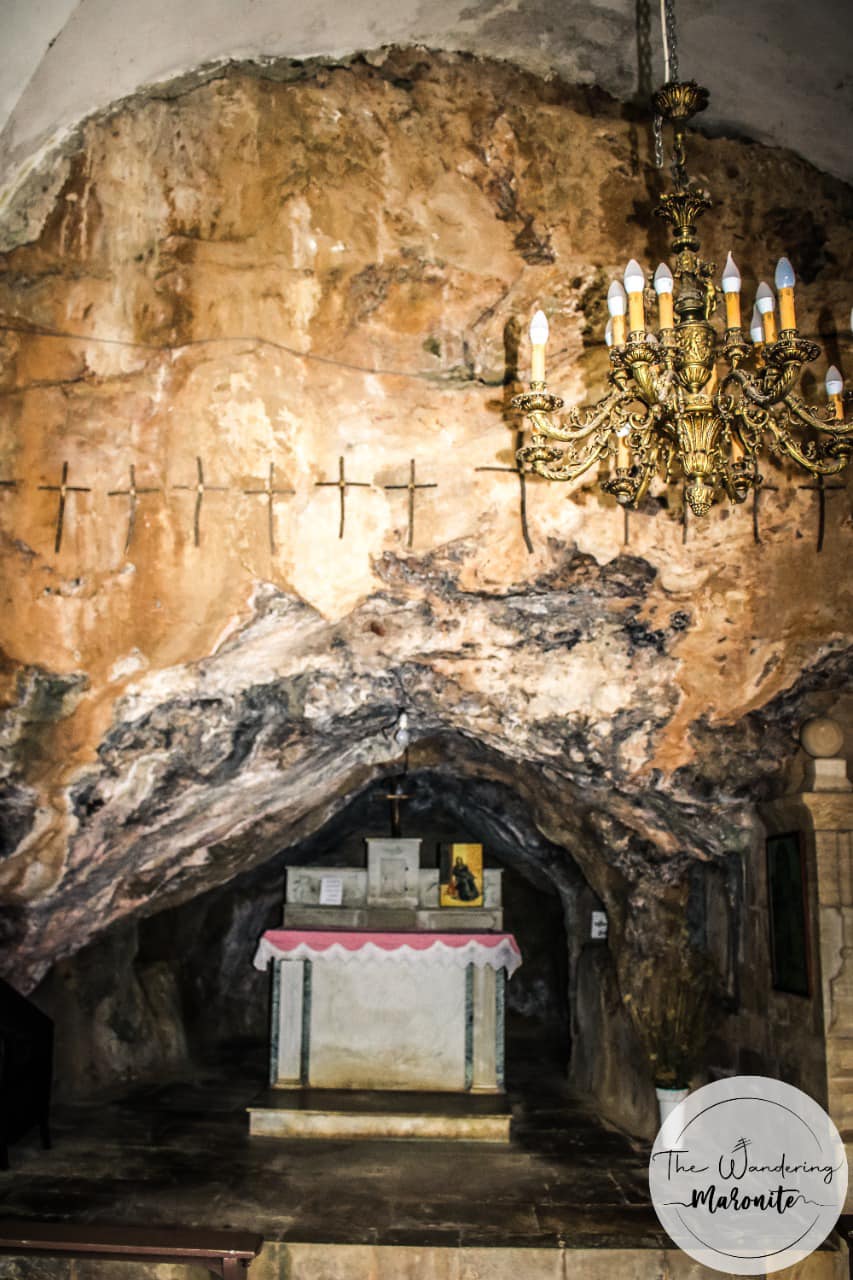
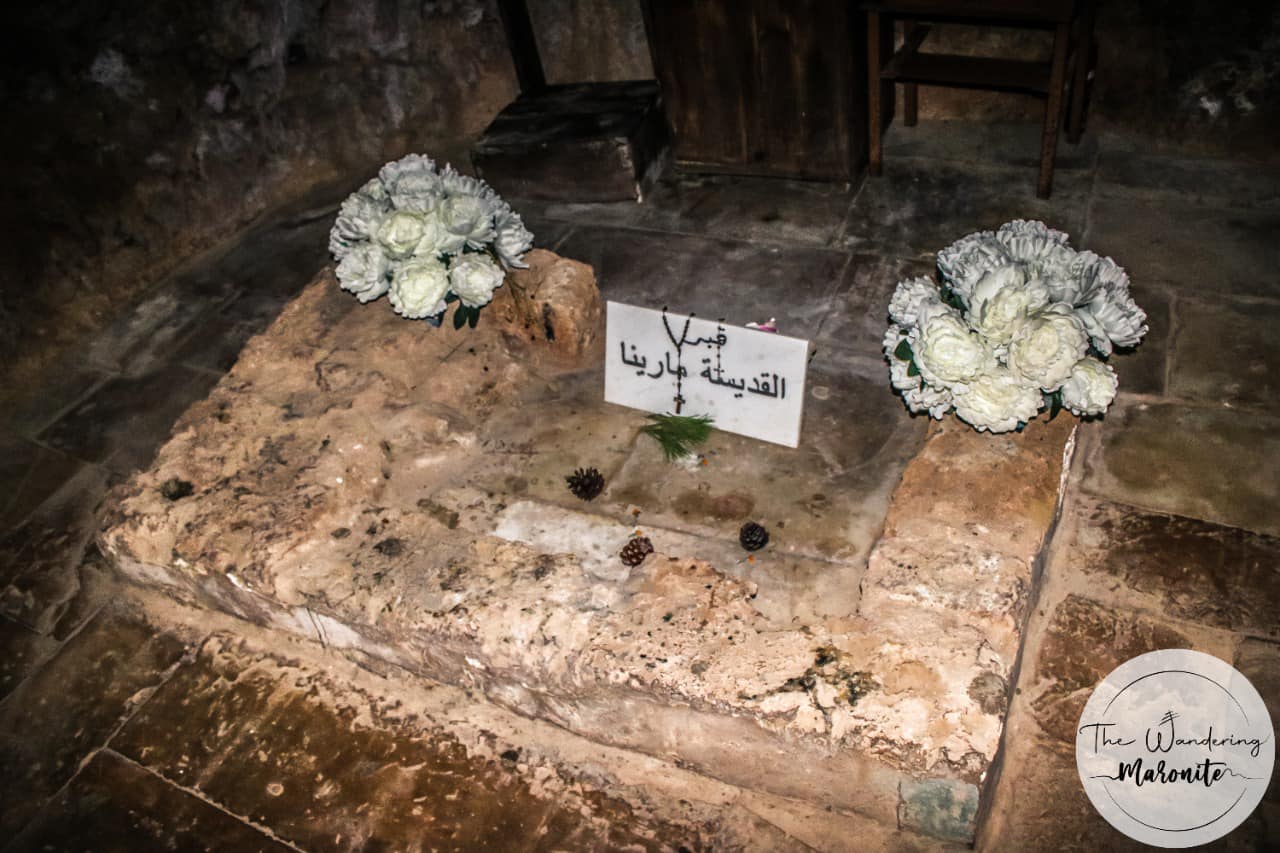
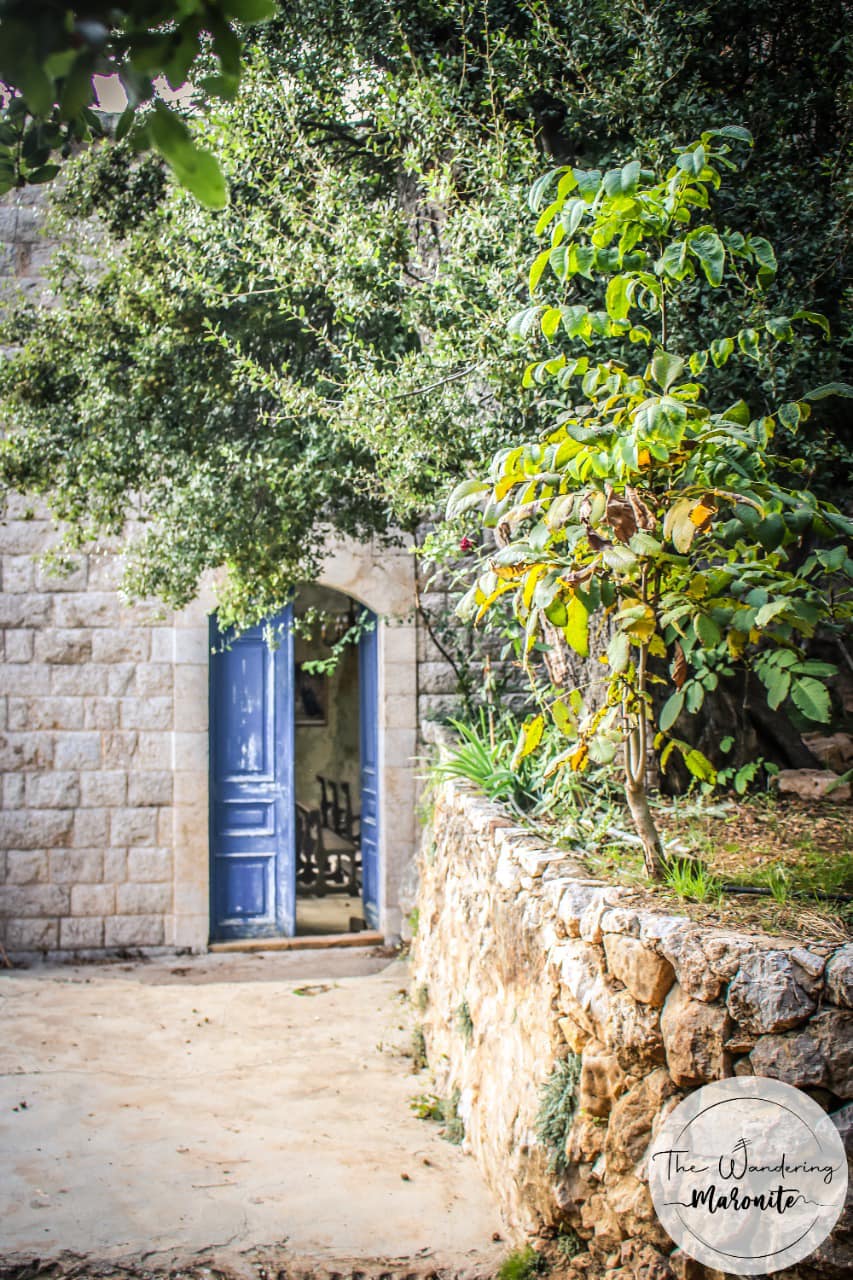
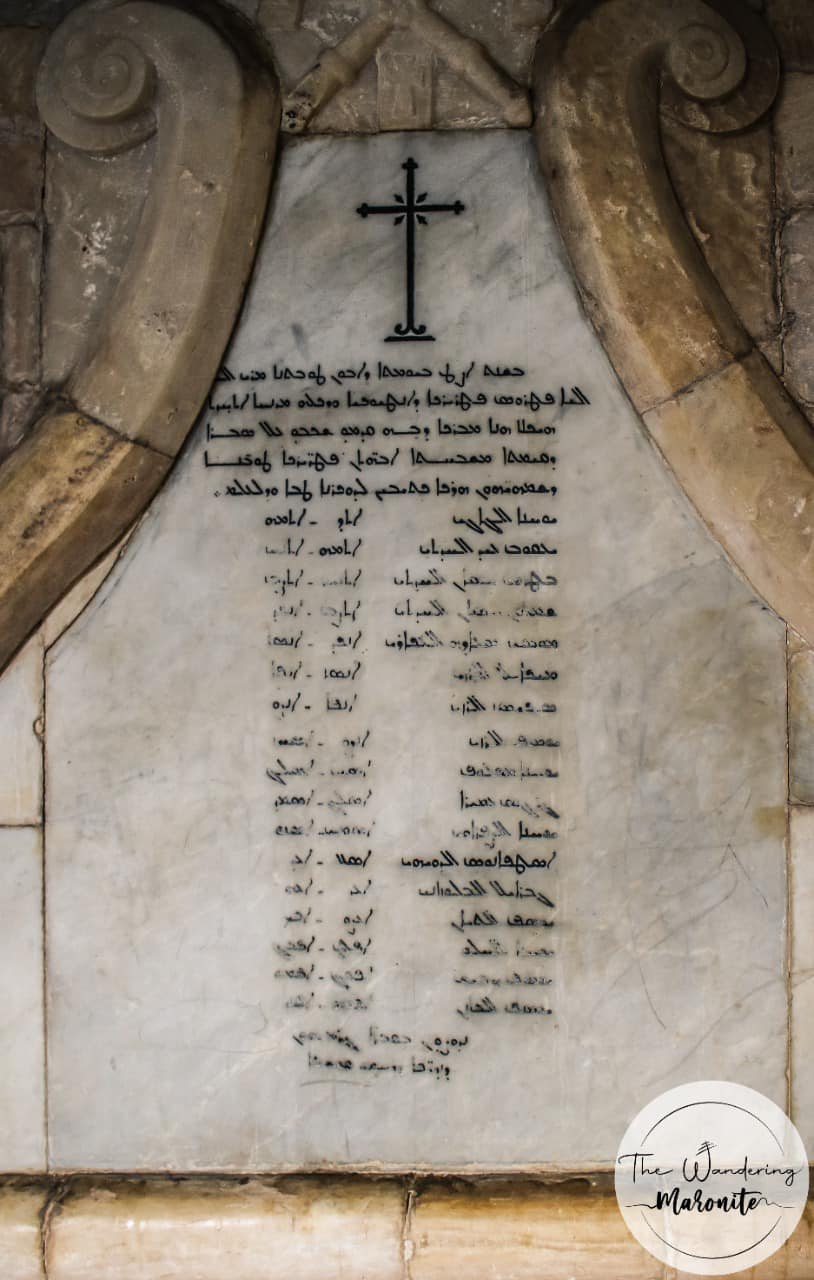
مغارة القدّيسة مارينا - وادي قنّوبينبالأصل هذه المحبسة مغارة طبيعيّة بقرب دير قنّوبين، قصدها الحبساءللخلوة. الى هذه المغارة لجأت القديسة مارينا والولد اللقيط الذي ربّته واهتمّت به بعد طردها من الدّير، وفيها ماتت ودفنت. بحسب البطريرك الدويهيّ أخذ الصليبيّون جثمانها الى البندقيّة وبقيت يدها اليسرى في المغارة. أصبحت هذه المغارة محجًّا ومدفنًا لسبعة عشر بطريركًا سكنوا في دير قنّوبين، من يوحنّا الجاجيّ الى يوحنّا الحلو. سنة ١٩٠٩ خلال حبريّة البطريرك الياس الحويّك ، رُمّم المدفن، وبنيت للمغارة واجهة حجريّة، ووضع في داخله مذبح رخاميّ جديد.St Marina’s Grotto - Qannoubine valleyThe cave was a hermitage dependent of the monastery of Qannoubine. In this cave St Marina took refuge with the bastard child she raised after her unfair expulsion from the monastery. She was buried in the same cave that became a pilgrimage site. The Crusaders transferred her relics to Venice leaving only her left hand in the cave according to patriarch Douweihy. The cave became the patriarchal necropolis, a total of 17 patriarchs were buried there from John of Jaj to John El Helou. In 1909 during the pontificate of Patriarch Elias Howayek the necropolis was restored, a stone facade was built to the west, and a new marble altar was brought in.

Visited 6927 times, 1 Visit today
Reviews are disabled, but trackbacks and pingbacks are open.

Related Listings

Zakrit – Mar Abda

Mar abda church, Lebanon

دير مار عبدا المشمّر - زكريت

1685

Zakrit

Metn

Mount Lebanon

بُنيَ الدّير على تلّةٍ في ضواحي زكريت على ضفاف نهر الكلب. الكنيسة القديمة بُنيت على أنقاض هيكلٍ وثنيّ عقب حملة المماليك على كسروان، وجُدِّدت سنة ١٦٨٥، بحسب كتاب تاريخ الأزمنة للبطريرك إسطفان الدويهيّ. إستلمت الرهبانيّة الأنطونيّة المارونيّة الكنيسة وبنت ديرًا سنة ١٧١٦. أمّا الكنيسة الجديدة فبنيت سنة ١٨١٠ بإعتناء الأمير حسن قاسم الشهابي، أيّام رئاسة الأب يوسف البشابيّ العامّة. لوحة مار عبدا هي من عمل داود القرم، سنة ١٨٨٤. وفي الكنيسة لوحة أُخرى للقدّيس من عمل أسعد رنّو. يقصد هذا الدّير المؤمنون طالبين شفاعة مار عبدا العجائبيّ خصوصًا النّساء العواقر والأطفال المرضى.

Built on a hill in the vicinity of Zakrit near Nahr El Kalb, the first church was built over the ruins of a roman temple after the Mamluk’s campaign on Kesserwan and renovated in 1685 according to Patriarch Estephan El Douaihy in his book Tarikh al Azmina. The Antonine Maronite Order acquired the church and the monks built a new monastery in 1716. In 1810 a new church was built on top of the first one with the help of Prince Hassan Abou Qasem Shehab, when Fr Youssef al Bchabby was abbot. The main painting is the work of Dawoud el Qorm, dating back to year 1884. Another painting of the saint is kept in the church and is the work of Assad Renno. St Abda’s church is believed to be miraculous especially for baron ladies and sick children

Kfarsghab – The church of St Augustin

St. Augustine, Unnamed Road, Ehden, Lebanon

كنيسة مار أغوسطينوس

Kfarsghab

Zgharta

North

كنيسة مار أغوسطينوس - كفرصغاب

كنيسة قديمة العهد تعود للقرون الوسطى. فيها عقد البطريرك يوسف الرزّي مجمع ضيعة موسى سنة ١٥٩٨ الذي أقرّ جملة من الإصلاحات الكنسيّة كاعتماد التقويم الغريغوريّ. بقيت الكنيسة خربةً ردحًا من الزمن، إلى أن رمّمت سنة ٢٠٠٧.

The church of St Augustin - Kfarsghab

An old medieval church dating back to the Middle Ages. In 1598 the council of Dai'at Moussa was held in it, presided by Patriarch Youssef El Rezzi, and proclaimed many liturgical renovations such as the adoption of the Gregorian calendar. The church laid in ruins for a long time, until it was renovated in 2007.

Abeydat – The hermitage of St Simeon the stylite in Wadi al-Bouwayli’e

Aabeidat, Lebanon

محبسة مار سمعان العاموديّ وادي البواليع

Aabaydat

Jbeil

Mount Lebanon

محبسة مار سمعان العاموديّ وادي البواليع - عبيدات

المحبسة عبارة عن تَجوِيفٍ مَحفُورٍ فِي الصَّخر، بِدَاخِله صُوَرٌ جُدرَانِيَّةٌ تعود إِلى القَرن الثَّاني عَشَر. مِن بَينِ هِﺬهِ الجُدرَانِيّات رَسمُ الشفاعة، وَكِتَابَةٌ سِرَيَانِيَّةٌ لَم يَبقَ منهَا وَمِن الرُّسُومِ إلّا القَلِيل بِسَبَب عَوَامِل الطَّبِيعَة وَجَهل الإِنسَان. يَتمُّ الصُعُودُ إِلَى غُرَفِ الدَّير بِوَاسِطة سَلَالِم خَشَبِيَّةٍ وَأُخرَى حَدِيدِيَّةٍ مُستَحدَثَةٍ.تُجَاوِرُ دَيرَ مَار سِمعَان كَنِيسَة مَارت مُورَا، وَهِيَ عِبَارَةٌ عَن نَقرٍ في الصَخرِ.بحسب الخبراء جداريّات عبيدات تعودُ لراسم جداريّات كنيسة مار تادرس بحديدات.

The hermitage of St Simeon the stylite in Wadi al-Bouwayli'e - 'Abeydat

The monastery is a hollowed-out cavity in the rock, containing frescoes dating back to the XIIth century. Among these wall paintings is the depiction of the deisis, as well as Syriac inscriptions, of which only a few remain due to natural factors and human ignorance. Access to the monastery's chambers is achieved through newly installed wooden and iron ladders. Adjacent to the Mar Simeon monastery is the St Moura's Church, which is a carved cave in the rock. According to experts, the wall paintings in 'Abeydat belong to the same artist who painted the wall paintings in the Mar Tadros Church in Behadidat. La Ermita de San Simeón el estilita en Wadi al-Bouwayli'e - 'Abeydat El monasterio es una cavidad excavada en la roca, que contiene frescos que datan del siglo XII. Entre estas pinturas murales se encuentra la representación de la deisis, así como inscripciones siríacas, de las cuales, debido a factores naturales y la ignorancia humana, solo quedan unas pocas. Para acceder a las cámaras del monasterio se utilizan las escaleras de hierro y madera recién instaladas. Colindante al monasterio de San Simeon se encuentra la iglesia de San Moura, que es una cueva tallada en la roca. Según los expertos, las pinturas murales de 'Abeydat pertenecen al mismo artista que pintó las pinturas murales de la iglesia de San Tadros en Behadidat.